
Water Tunnels Make Mumbai’s Water Supply More Efficient, Says BMC Chief
Kasheli–Mulund water tunnel project aims to reduce leakage and distribution losses
Mumbai’s water supply system—considered one of the largest and most complex in the world—is being further strengthened through the use of water tunnels, a method that significantly reduces leakage and transmission losses, said Bhushan Gagrani, Municipal Commissioner and Administrator, during an inspection of the Kasheli (Bhiwandi)–Mulund Check Naka water tunnel project.
The Brihanmumbai Municipal Corporation (BMC) is the first local self-government body in India to adopt large-scale water tunnel technology for urban water supply. With nearly 100 kilometres of water tunnels, Mumbai now ranks as the second city globally to operate such an extensive tunnel-based water distribution network.
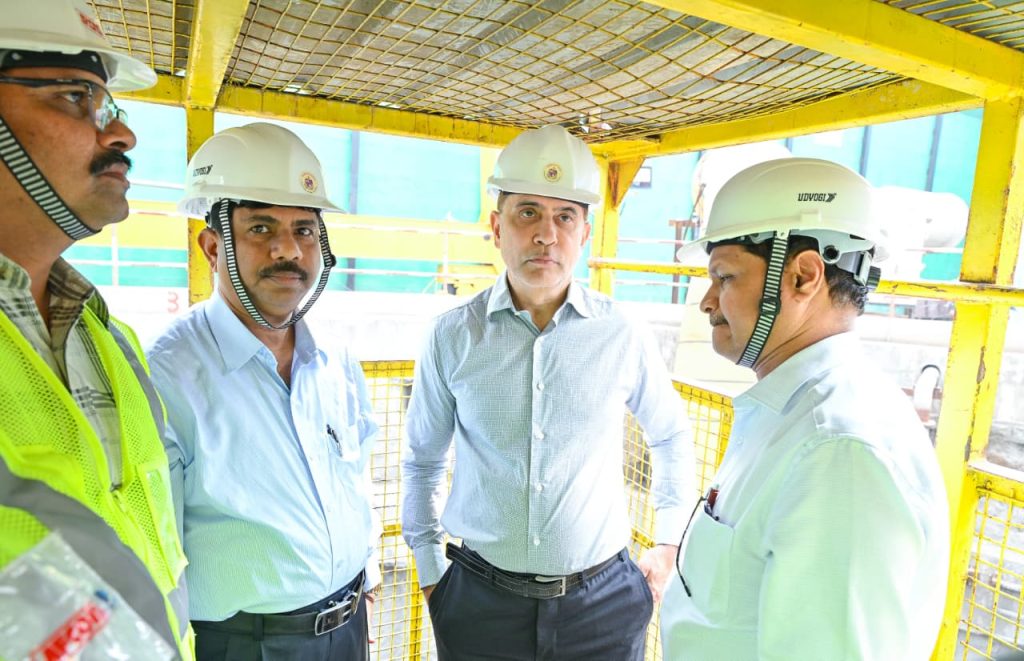
Speaking at the project site at Mulund Check Naka, Gagrani said that water tunnels have emerged as a practical and effective alternative for bulk water transmission, helping the civic body control leakages and minimise distribution wastage while ensuring long-term supply reliability.
The Kasheli–Mulund Check Naka water tunnel, designed to transport water across a distance of 7.1 kilometres, is currently under construction. The Municipal Commissioner visited the site to review progress and issued instructions to maintain timelines and safety standards.
Senior officials including Deputy Commissioner (Special Engineering) Purushottam Malwade and Chief Engineer (Water Supply Projects) Mahendra Ubale, along with engineers and officers associated with the project, were present during the inspection.
Explaining the background of the project, Gagrani said that Bhatsa dam water is currently conveyed to Mumbai through the Mumbai-II and Mumbai-III main water pipelines. However, rapid urbanisation and multiple development projects in Thane city have begun to interfere with these pipelines. As a result, the Thane Municipal Corporation has requested that the pipelines be lowered.
Considering Mumbai’s steadily rising drinking water demand, the BMC decided to construct a dedicated underground water tunnel from Kasheli to Mulund Check Naka. Work on the project began in September 2024 and is expected to be completed by October 2030.
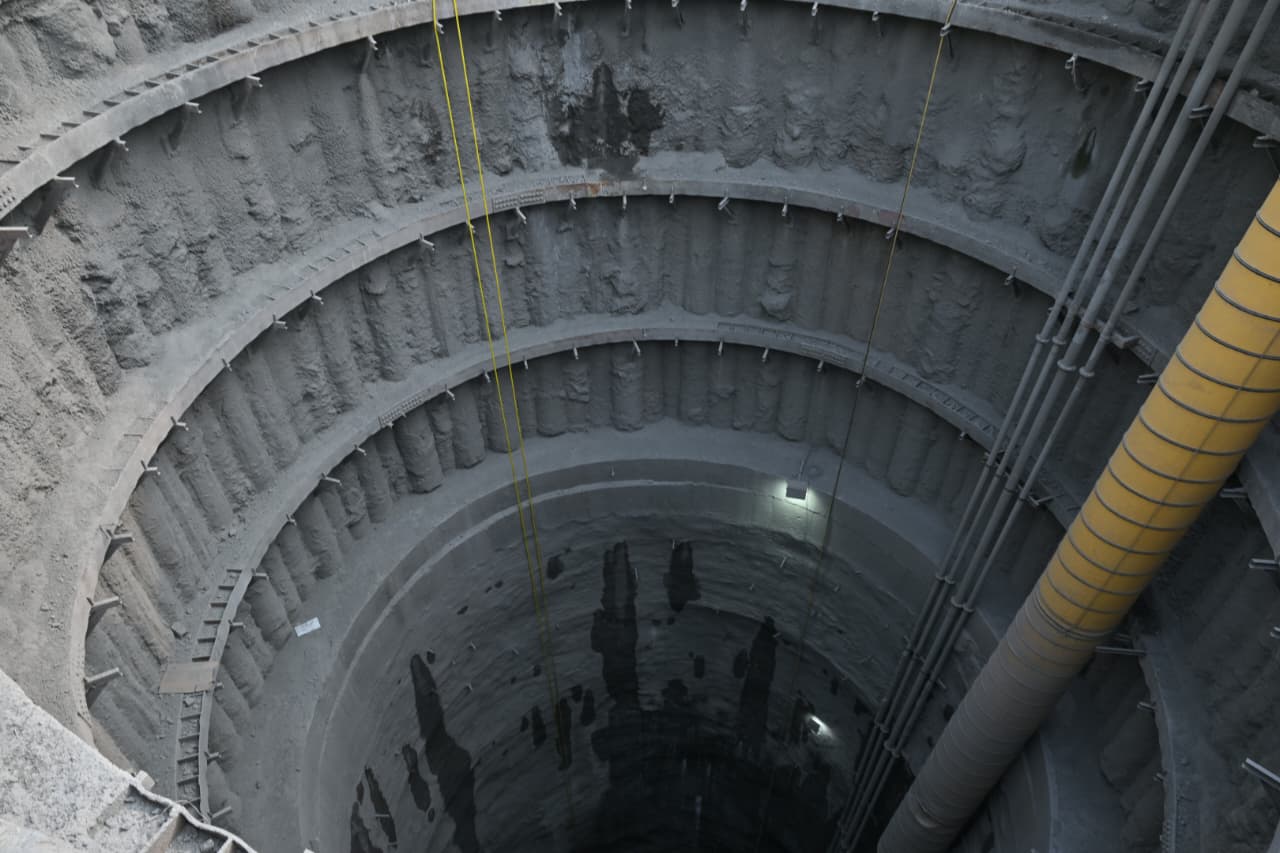
Providing technical details, Gagrani said that a 134-metre-deep launching shaft is being constructed at Mulund Check Naka, of which excavation up to 130 metres has already been completed. After tunnel excavation is finished, a 128-metre-deep retrieval shaft will be used at Kasheli (Bhiwandi) to extract the tunnel boring machine (TBM). Excavation of this shaft has progressed up to 15 metres so far.
The Commissioner further clarified that tunnel excavation using tunnel boring machines will commence from July 2026. Once operational, the tunnel is expected to play a critical role in strengthening Mumbai’s long-term water security, while reducing maintenance disruptions on the surface.
The civic administration reiterated that the adoption of water tunnels represents a strategic shift toward resilient, future-ready urban infrastructure, ensuring uninterrupted water supply for a growing metropolitan population.