
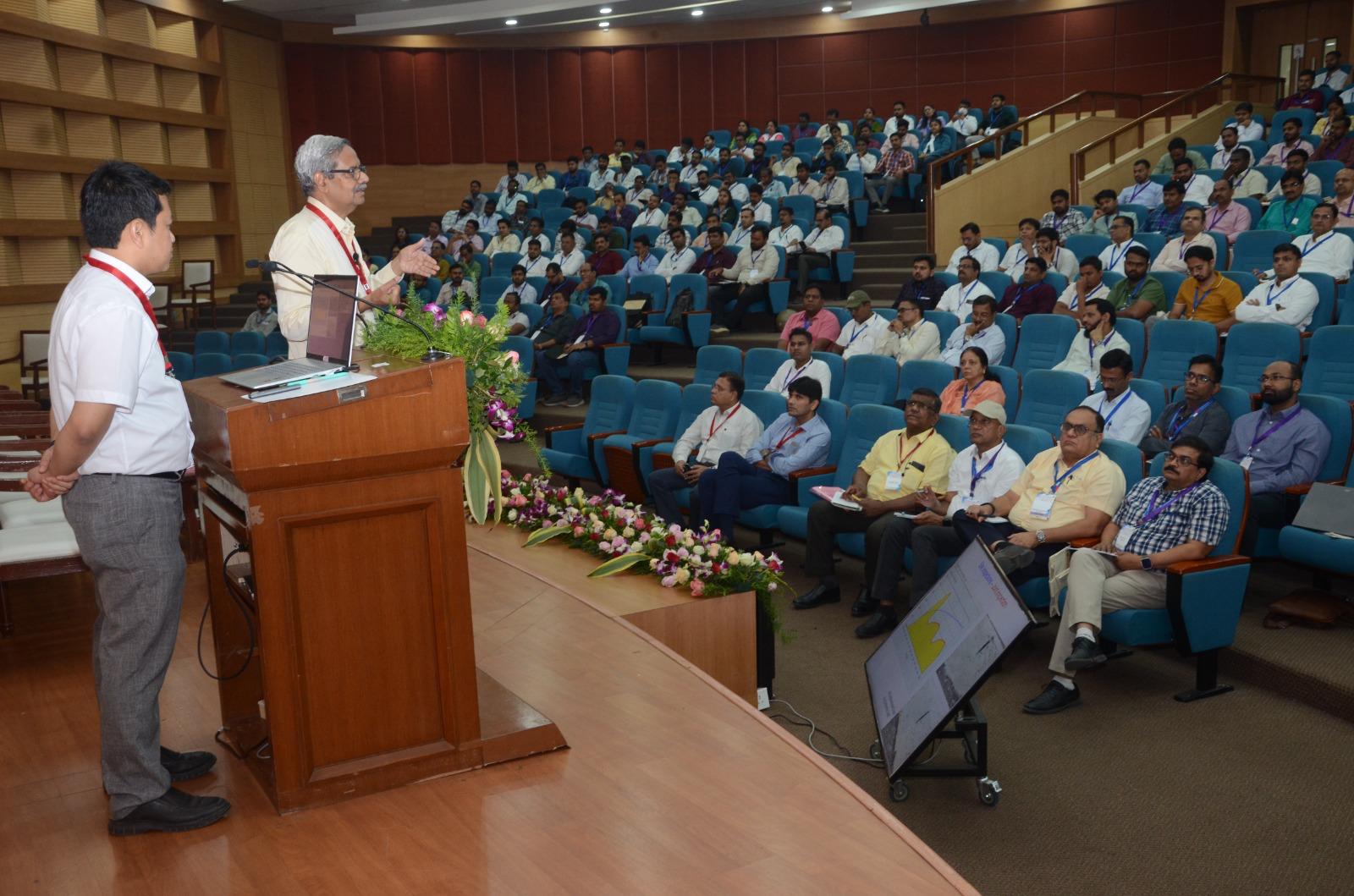
BMC Engineers Trained at IIT Bombay to Ensure World-Class Cement Concrete Roads
Over 300 civic engineers undergo scientific, technology-driven training in quality road construction
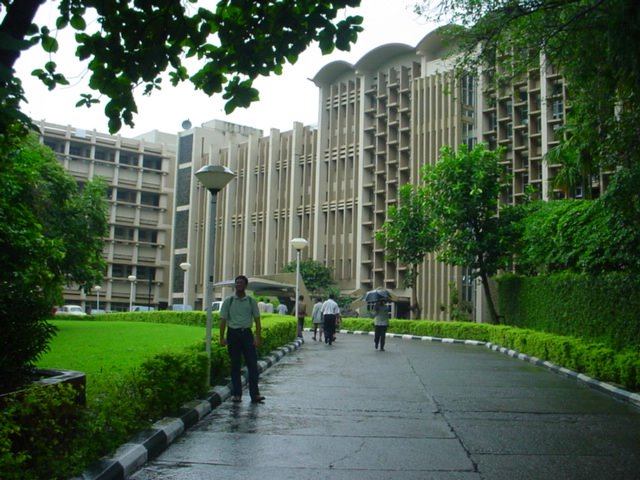
In a major step toward ensuring high-quality and durable cement concrete roads in Mumbai, the Brihanmumbai Municipal Corporation (BMC) organised a one-day brainstorming and technical training workshop at Indian Institute of Technology Bombay for its engineering staff.
More than 300 municipal engineers participated in the workshop, which focused on the evaluation of completed and ongoing cement concrete roads, along with scientific planning, execution techniques, and stringent quality control measures. The initiative is part of BMC’s larger effort to deliver ultra-high and globally benchmarked road infrastructure across Mumbai.
The BMC has undertaken large-scale cement concrete road works across the city, and the civic administration is implementing multiple measures to ensure these roads meet the highest construction standards. The workshop aimed to familiarise engineers with the use of advanced technology in road construction, practical Do’s and Don’ts, and to address on-site challenges faced by field engineers. Representatives from Quality Monitoring Agencies (QMA) and contractor firms also attended the session.
The workshop was inaugurated with a keynote address by Prof. Dr. K.V. Krishna Rao, a renowned expert in civil engineering from IIT Bombay, who emphasised the critical importance of third-party audits in large infrastructure projects. He noted that practice-oriented approaches and field-based technical collaboration are key to making Mumbai’s road infrastructure more robust, durable, and quality-driven.
Addressing the gathering, Abhijit Bangar, Additional Municipal Commissioner (Projects), said that the cement concrete road programme began in October 2023, and nearly 60% of the work has already been completed. Despite challenges arising from high population density and dense urban development, the remaining works are progressing steadily.
Bangar stressed that engineers must remain physically present at construction sites during execution to ensure strict adherence to quality norms. He identified two long-term impact factors as critical to the success of the programme—riding quality and optimal utilisation of service ducts along roads. Good riding quality, he said, directly enhances the lifespan of roads and reduces maintenance costs, while effective use of service ducts can help prevent repeated road digging.
He also urged continuous technical engagement between municipal engineers, quality monitoring agencies, contractors, and IIT experts, to ensure sustained improvement in construction standards.
During the technical discussions, observations based on site visits and field inspections were deliberated upon. Best construction practices were highlighted, and practical solutions were suggested for key challenges. Special emphasis was laid on Quality Control and Quality Assurance (QC/QA), stakeholder coordination, and the long-term durability of cement concrete roads.
Detailed guidance was provided on quality raw material selection, ideal practices for transporting concrete from Ready Mix Concrete (RMC) plants to work sites, precautions during concrete laying, timely joint cutting, proper curing techniques, and post-construction installations such as thermoplastic road markings and cat’s eye reflectors. Experts also suggested that using protective grills around tree bases could free up additional space for pedestrians on footpaths.
Senior officials including Deputy Commissioner (Infrastructure) Girish Nikam and Chief Engineer (Roads & Traffic) Mantayya Swamy were present at the workshop.
The civic administration stated that such capacity-building initiatives are crucial to ensuring that Mumbai’s massive investment in cement concrete roads results in safe, durable, and commuter-friendly urban infrastructure.